Youth Athlete Development and Coaching Methods
Understanding the principles of effective athlete development requires knowledge of structured training progressions, evidence-based coaching practices, and communication strategies that support long-term athletic growth. This comprehensive overview examines the foundational approaches to developing young athletes in team sports environments.
Foundation of Youth Athlete Development
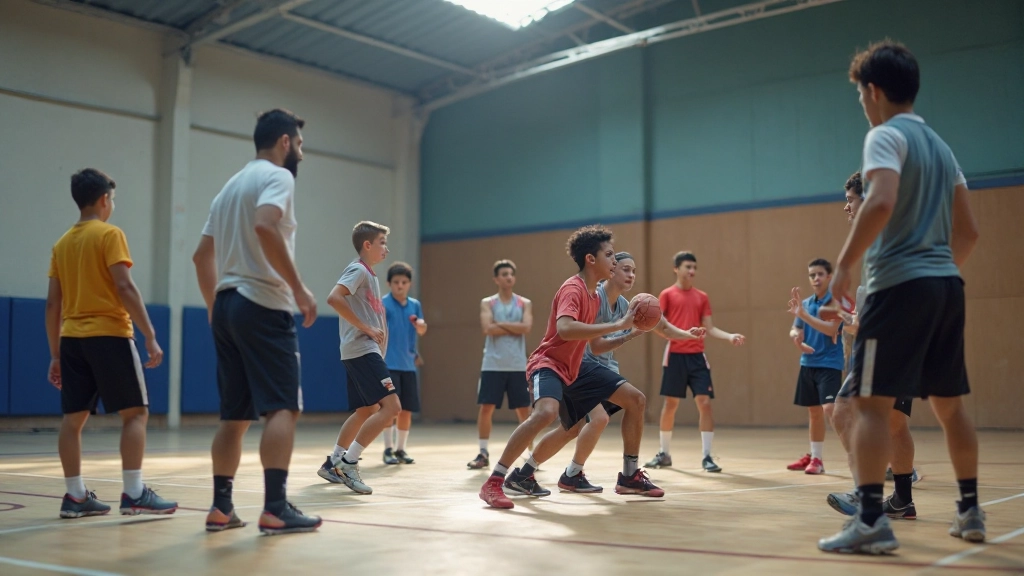
Developing young athletes involves a systematic approach to skill acquisition, physical conditioning, and mental preparation. Coaches working with youth populations recognize that this developmental period establishes the foundation for long-term athletic progression. The approach combines technical skill instruction with age-appropriate physical development and psychological support.
Effective youth development programs typically structure training around progressive complexity. Early stages focus on fundamental movement patterns and basic technical skills. As athletes advance, training incorporates more complex tactical concepts and sport-specific conditioning. This progression ensures athletes develop competence at each stage before introducing advanced demands.
Key considerations in youth athlete development include:
- Establishing consistent training routines and attendance expectations
- Teaching fundamental technical skills through repetitive, structured practice
- Implementing age-appropriate conditioning protocols that respect growth patterns
- Developing foundational tactical understanding of positioning and game concepts
- Creating positive training environments that encourage participation and learning
- Monitoring individual progress and adjusting instruction to meet diverse learning needs
The early development phase, typically ages 8-12, emphasizes skill variety and enjoyment of movement. Athletes in this age group benefit from exposure to multiple movement patterns and basic game concepts. Training should prioritize engagement and confidence-building rather than specialization or competition intensity.
Skill Progression Frameworks
Understanding how athletes progress through skill development stages guides effective instruction. Coaches utilize frameworks that recognize athletes move through identifiable learning phases, each requiring different coaching approaches and practice structures.
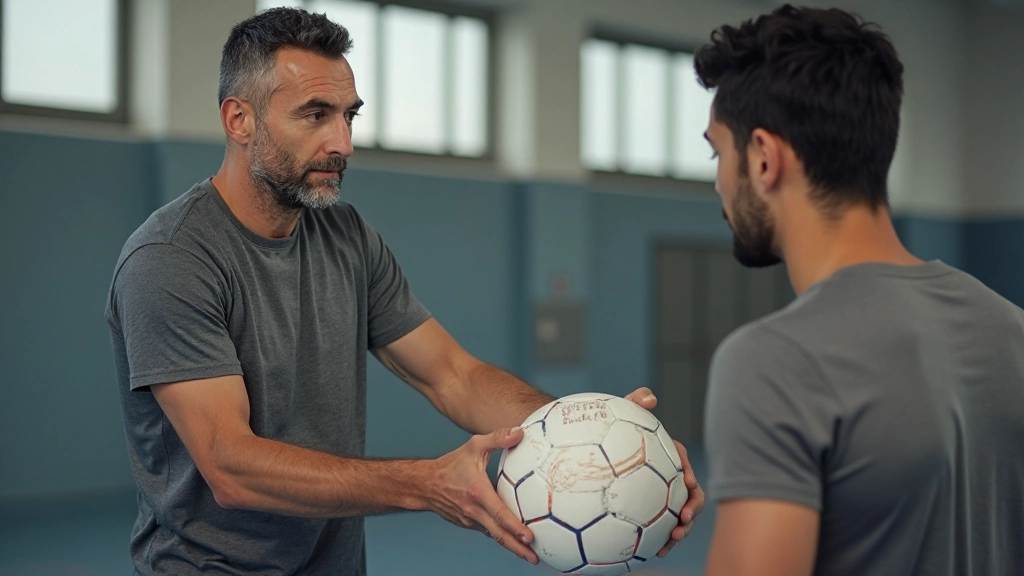
The initial learning phase involves athletes acquiring basic understanding of movement patterns and skill mechanics. During this stage, frequent coaching cues, visual demonstrations, and repetitive practice help athletes develop consistency. Coaches provide clear, specific feedback addressing fundamental mechanics.
The intermediate phase emphasizes skill refinement and application in varied contexts. Athletes practice skills under different conditions, such as varying speeds, directions, or tactical scenarios. This variation helps athletes develop adaptability and apply skills in competitive situations.
The advanced phase focuses on skill automation and complex tactical integration. Athletes execute skills with minimal conscious thought, allowing attention to shift toward tactical decision-making and opponent analysis. Training incorporates pressure situations and complex game scenarios.
Progressive Structure Importance
Progression frameworks prevent premature introduction of complex tactics before athletes master fundamental skills. This sequential approach optimizes learning efficiency and reduces frustration that can occur when athletes face demands beyond their current capability level.
Information Disclaimer
This content provides educational information about youth athlete development and coaching methodologies. It is intended for informational purposes and represents general approaches within coaching practice. The information does not constitute professional coaching advice, training prescription, or medical guidance.
Coaches working with youth athletes should consult with qualified sports medicine professionals, certified coaching organizations, and follow applicable safety standards and regulations in their jurisdiction. Individual athlete circumstances vary significantly, and approaches should be adapted based on age, experience level, physical development, and specific sport requirements. Qualified coaching professionals and medical experts should be consulted when implementing training programs.
Coaching Communication and Feedback Methods
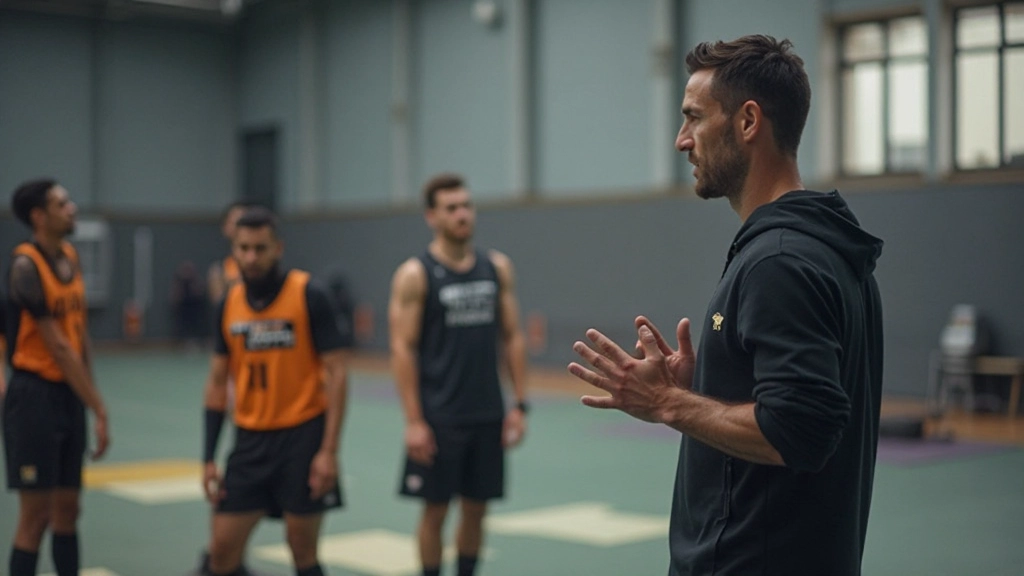
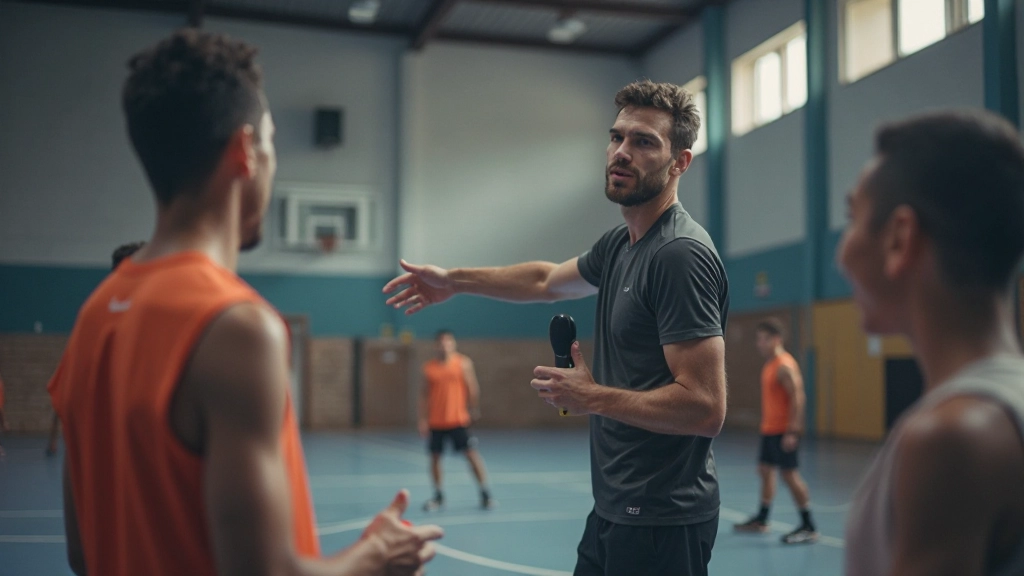
Effective communication represents a critical component of youth athlete development. The way coaches deliver instruction, feedback, and encouragement significantly influences athlete learning, motivation, and retention in sport. Communication strategies should match the cognitive and emotional development of young athletes.
Coaches working with youth athletes utilize clear, specific language that helps athletes understand expectations and performance outcomes. Rather than general comments, effective feedback identifies specific performance aspects to address. For example, describing how hand position affects pass accuracy provides more useful information than stating "better pass."
Effective Feedback Characteristics
Quality feedback is immediate, specific, actionable, and delivered in supportive tone. It focuses on changeable performance aspects rather than personal attributes, helping athletes understand what improved and how to replicate success.
Coaches balance correction with encouragement, creating training environments where athletes feel safe attempting new skills and accepting constructive feedback. Positive reinforcement for effort and improvement, even when outcomes are imperfect, supports continued engagement and skill development.
Communication also extends to establishing clear behavioral expectations, explaining practice objectives, and helping athletes understand how individual training contributes to team performance. Youth athletes benefit from understanding the purpose behind training activities and how specific practices develop skills they'll use in competition.
Age-appropriate communication acknowledges cognitive development stages. Younger athletes (ages 8-12) require simpler explanations, more frequent visual demonstrations, and clearer direct instruction. Adolescent athletes (ages 13-16) develop capacity for more complex tactical concepts and benefit from understanding the reasoning behind coaching decisions.
Training Structure and Practice Design
Organizing training sessions effectively supports athlete learning and development. Well-designed practices balance technical instruction, skill practice, and tactical application within time constraints. Coaches consider several factors when structuring youth training sessions.
Typical practice organization follows a general structure that supports learning progression:
- Opening and warm-up: Physical preparation through dynamic movements and activation exercises that increase readiness for practice demands
- Technical instruction and skill focus: Concentrated work on specific technical elements with clear objectives and focused practice repetitions
- Skill application: Practice in progressively complex contexts, such as small-group drills or simplified game scenarios
- Tactical practice: Application of skills within game-like situations, developing decision-making and tactical understanding
- Cool-down and review: Physical recovery and cognitive review of practice objectives and key learning points
Practice variety maintains engagement and develops adaptability. Athletes benefit from experiencing different practice formats, such as individual skill work, small-group activities, and full-team practice. Varying practice conditions—different equipment, court configurations, or pressure situations—develops transferable skills applicable to competitive contexts.
Effective coaches consider individual learning differences within group settings. Athletes progress at different rates and respond to different instructional approaches. Providing multiple practice options or difficulty levels allows athletes to work at appropriate challenge levels while developing competence.
Supporting Long-Term Athletic Development
Youth athlete development represents a multifaceted process combining structured skill instruction, appropriate physical conditioning, and supportive coaching communication. Effective approaches recognize that young athletes progress through identifiable developmental stages, each requiring adapted coaching strategies.
Coaches implementing evidence-informed approaches create training environments that develop technical competence, tactical understanding, and psychological resilience. This comprehensive development prepares athletes for continued participation and advancement in sport.
The foundations established during youth years—technical skills, tactical understanding, training habits, and enjoyment of sport participation—significantly influence athletes' long-term athletic trajectories. Coaches who prioritize developmental appropriateness, clear communication, and structured progression support athletes in achieving their potential while fostering lifelong engagement with sport.
Effective youth development combines progressive skill instruction, age-appropriate training demands, clear communication, and supportive coaching environments that prioritize athlete growth and engagement.
Related Articles