Game Analysis and Tactical Development
Understanding opponent strengths and weaknesses, developing strategic game plans, and adapting tactical approaches are fundamental aspects of competitive handball. This comprehensive overview explores the methodologies teams use to analyze performance data, structure defensive and offensive systems, and make informed decisions during match situations.
Understanding Game Analysis Fundamentals
Game analysis forms the foundation of strategic planning in handball. Teams use systematic observation and data collection to identify patterns, strengths, and vulnerabilities in both their own performance and that of their opponents. This analytical approach enables coaches to develop evidence-based tactical approaches rather than relying solely on intuition or general knowledge.
The process involves reviewing match footage, tracking player movements, measuring shot accuracy rates, and documenting successful versus unsuccessful plays. Video analysis has become particularly valuable, allowing teams to study specific situations in detail—such as how defenders position themselves during fast breaks or how attack patterns develop when facing different defensive formations.
Key Analysis Components
Effective game analysis examines player positioning, passing patterns, shooting efficiency, defensive formations, transition play, and decision-making under pressure. Understanding these elements helps teams identify their competitive advantages and areas requiring improvement.
Systematic Observation Methods
Coaches employ various observation techniques to gather meaningful data. Live match observation focuses attention on specific aspects—one session might concentrate on tracking how a particular defender moves, while another observes how the opposing team initiates their attacks. This focused approach prevents information overload and ensures quality data collection.
Post-match review sessions with players provide another dimension, as team members can discuss what they observed during play, explain decision-making rationale, and identify how situations developed. This collaborative analysis often reveals insights that video footage alone might not capture, particularly regarding communication patterns and psychological factors affecting performance.
Developing Opponent Intelligence
Understanding opponents' tactical preferences, player strengths, and predictable patterns provides crucial competitive advantages. Teams invest significant effort in studying opposing squads before important matches, developing detailed profiles of how different opponents approach the game.
This intelligence gathering includes identifying which players possess exceptional shooting accuracy, which defenders are particularly aggressive, how opponents organize their fast break strategies, and what adjustments they make when facing defensive pressure. Understanding these patterns allows teams to prepare targeted defensive strategies and design offensive plays specifically suited to exploit identified weaknesses.
- Player-Specific Analysis: Identifying individual strengths, preferred positions, shot accuracy from different angles, and defensive positioning habits
- System Identification: Recognizing whether opponents favor specific defensive formations and understanding how they transition between defensive systems
- Pattern Recognition: Documenting how opponents typically initiate attacks, distribute the ball, and respond to defensive pressure
- Trend Analysis: Noting whether performance improves or deteriorates as matches progress, particularly during fatigue periods
- Comparative Study: Understanding how opponents perform against different defensive approaches and tactical setups
Tactical Development and Strategic Planning
Developing effective tactical approaches requires translating analytical insights into structured game plans. Coaches design offensive plays that exploit identified defensive vulnerabilities, while simultaneously preparing defensive systems specifically aimed at disrupting how opponents typically attack.
Tactical development involves creating multiple strategic options rather than relying on single approaches. Teams typically prepare different tactical setups for various scenarios: aggressive offense when trailing, defensive consolidation when protecting leads, or specific strategies against particular opponents. This flexibility enables teams to adapt throughout matches as situations evolve.
Offensive Tactical Approaches
Offensive strategies vary significantly based on team strengths and opponent defensive tendencies. Some approaches emphasize ball movement and passing combinations to create shooting opportunities, while others focus on isolating strong individual players against weaker defenders. Understanding which players perform effectively in different positions and situations allows coaches to design plays maximizing each athlete's capabilities.
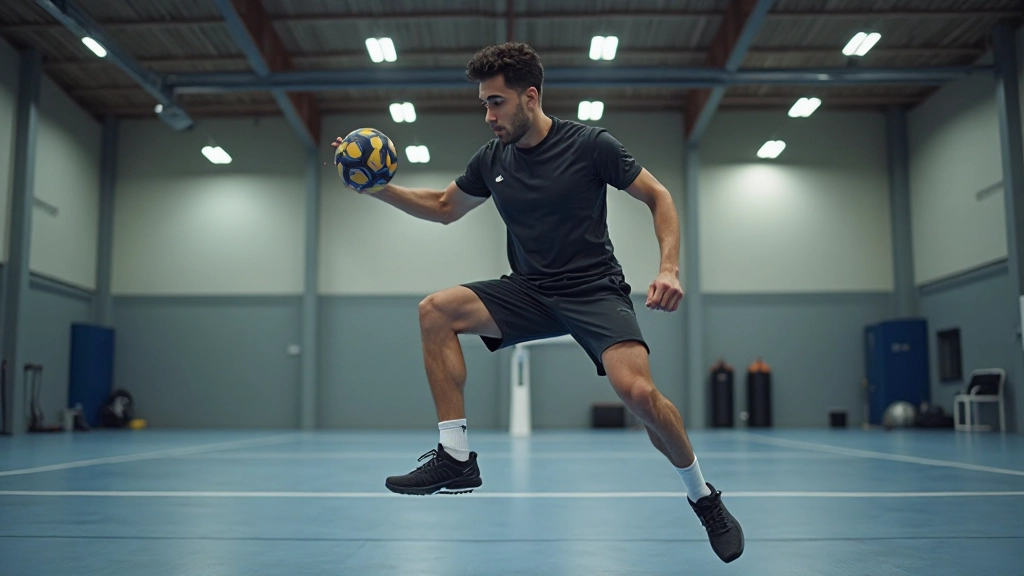
Fast break execution represents a critical offensive element, requiring understanding of transition opportunities and how to convert numerical advantages into scoring opportunities. Teams study how quickly they can move from defense to attack and what positioning principles create scoring chances during transition situations.
Defensive System Organization
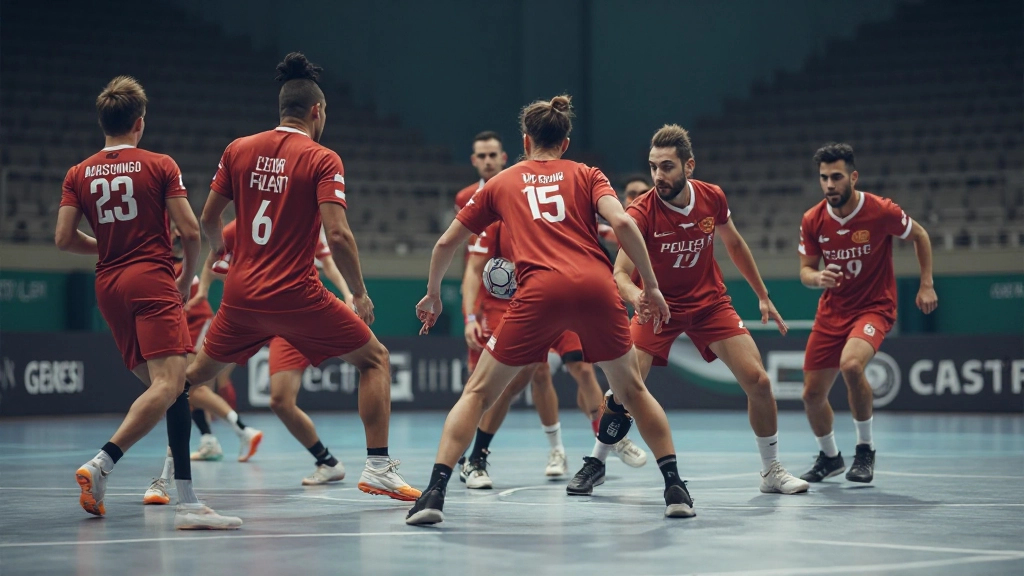
Defensive systems involve coordinated positioning principles designed to minimize opponent scoring opportunities. Common defensive approaches include man-to-man coverage, zone defenses at various depths, and combination systems blending these approaches. Each system possesses advantages against certain opponents while creating vulnerabilities against others.
Effective defensive play requires not just positional understanding but also communication, positioning discipline, and the ability to adjust when opponents adapt their attacks. Teams practice defensive systems extensively, developing muscle memory that enables players to maintain formation integrity even during intense match situations.
Strategic Adaptation
Successful teams demonstrate tactical flexibility, adjusting their approaches when initial strategies prove ineffective. This requires coaches capable of making real-time decisions and players understanding multiple systems well enough to transition between them during matches.
Match Day Tactical Execution
Translating prepared strategies into effective match day execution requires extensive practice and clear communication. Players must understand not just what they should do, but why specific tactical approaches target opponent vulnerabilities and how their individual actions contribute to collective team objectives.
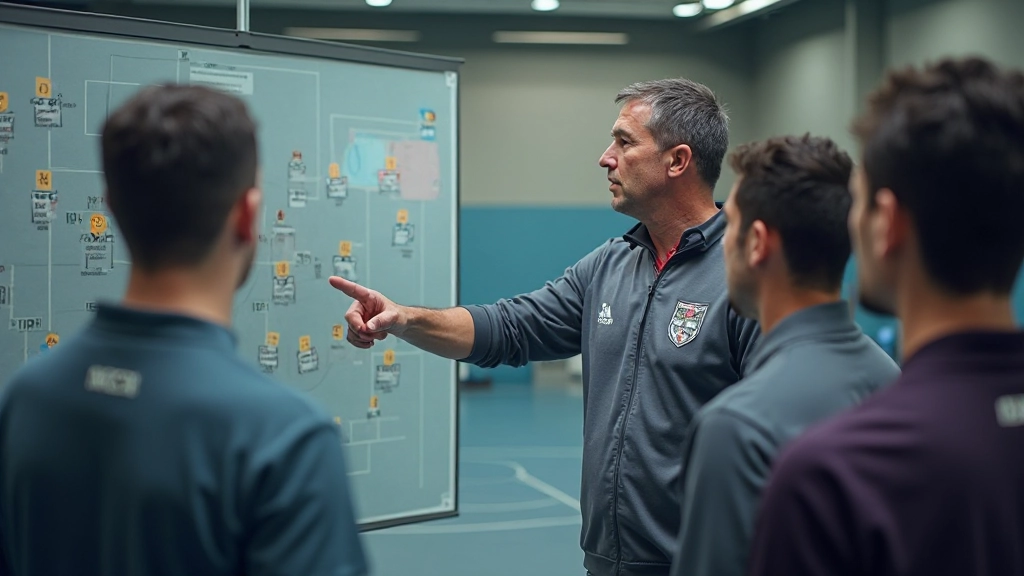
Coaches typically conduct detailed pre-match briefings, reviewing opponent tendencies and clarifying which tactical systems the team will employ. Video presentations, tactical diagrams, and discussion sessions ensure players understand the strategic approach and their specific responsibilities within team systems.
In-Match Tactical Adjustments
Even well-prepared strategies require adjustment when opponents implement unexpected approaches or when initial tactics prove less effective than anticipated. Successful coaching involves recognizing when adjustments become necessary and implementing changes that players understand and can execute effectively.
- Real-Time Observation: Coaches monitor whether opponents are executing anticipated patterns or employing unexpected strategies
- Performance Evaluation: Assessing whether current tactical approaches are generating expected results or requiring modification
- Strategic Flexibility: Having prepared alternative approaches available when primary strategies underperform
- Communication Clarity: Conveying tactical adjustments in ways players can quickly understand and implement
- Timing Considerations: Determining optimal moments for tactical shifts to minimize disruption to team coordination
Data-Driven Decision Making
Modern handball increasingly incorporates data analytics, tracking player positions, movement patterns, and performance metrics throughout matches. This information helps coaches understand tactical effectiveness in real time, informing decisions about tactical adjustments, player positioning, and strategic emphasis.
Statistical analysis of previous matches between teams, seasonal performance trends, and individual player performance data provides additional context for tactical planning. Understanding that a particular opponent's defense struggles against certain attack patterns or that specific defensive formations prove vulnerable to particular playing styles enables targeted preparation.
Key Takeaways
Game analysis and tactical development represent fundamental aspects of competitive handball, bridging the gap between understanding the sport and implementing effective strategies. Systematic analysis of team and opponent performance, combined with strategic planning grounded in this analysis, enables teams to maximize their competitive potential.
The most successful teams demonstrate sophistication in their analytical approaches while maintaining flexibility in tactical execution. They understand not just what strategies to employ but when and how to adjust these strategies as match circumstances evolve. Coaches capable of translating analytical insights into understandable tactical frameworks, combined with players committed to executing these approaches with precision, create competitive advantages that extend beyond individual talent or athletic ability.
Whether analyzing opponent strengths and weaknesses, designing offensive plays targeting specific defensive vulnerabilities, or organizing defensive systems creating opponent difficulties, the foundation remains consistent: informed strategic decisions based on careful observation and analysis produce more effective outcomes than approaches based solely on tradition or general principles.
Related Articles